4 Dham Yatra Package

₹ 23,000 / Per person

4 Dham Yatra Package – 10 Days of Divine Journey in Uttarakhand

 10 Days / 9 Night | From Dehradun / Haridwar / Rishikesh / Dehli


The Char Dham Yatra fromNight | From Dehradun / Haridwar / Rishikesh / Dehli one of the most sacred pilgrimages in India, covering the holy shrines of Yamunotri, Gangotri, Kedarnath, and Badrinath. This 10-day tour is designed to give you a smooth and comfortable travel experience, along with some of the most beautiful sightseeing spots in Uttarakhand. Starting from Haridwar, our journey takes you through scenic mountains, holy rivers, and ancient temples. Along the way, we visit Kempty Fall in Mussoorie, the spiritual Vishwanath Temple, the breathtaking Harshil Valley, and the hot springs of Gangnani. At Badrinath, we explore the last Indian village Mana, and also visit Narsingh Devta Temple in Joshimath. The tour also covers the sacred Panch Prayag Sangam points and the revered Dhari Devi Temple.

Our 10 days Char Dham Yatra package from Dehradun / Haridwar / Dehli is perfect for families, senior citizens, and groups who wish to complete the pilgrimage with comfort, safety, and proper guidance.

Main Destination:Yamunotri, Gangotri, Kedarnath and Badrinath
Duration:10Days/09Nights
Tour Type:Private Tour
Package Category:Standard to Deluxe
Included:
  • ✓ Private comfortable transportation for the entire trip
  • ✓  Morning & Night Meals (except in Kedarnath) 
  •  ✓ Hotel/Camp stays as per package selection 
  • ✓ All toll, parking, and driver allowances
Excluded:
  • Helicopter tickets, pony, doli charges

    Lunch meals during the journey

    Any personal expenses like laundry, tips, or shopping

    Entry fees for sightseeing places (if applicable)

    Travel insurance or medical expenses

    Anything not mentioned under “Inclusions”

Tour Itinerary

Day 1 – Haridwar to Barkot

Drive Duration: Around 7–8 hours

Total Distance: Approx. 180 km

Day 1 is not about temples. It is about shifting gears — mentally and physically.

After meeting in Haridwar, the luggage is arranged and the driver explains the day’s route briefly. The first 60–90 minutes feel like a regular highway drive. Traffic slowly reduces as you move away from the busy town.

Then the road begins to rise.

The turns increase. The vehicle speed naturally drops. Conversation inside the car becomes quieter because everyone starts noticing the change outside — fewer buildings, more trees, cooler air.

This is where the plains officially end and the hills begin.


The Road Reality

This stretch is not luxury highway driving. It is mountain driving.

Some patches are smooth.

Some stretches may feel slightly bumpy.

Mobile network can fluctuate.

Weather can shift quickly if clouds gather.

That is normal for Himalayan routes.

Midway, a basic restaurant stop is taken. Most travelers prefer simple dal, roti, rice or tea. Heavy food is usually avoided because the body is adjusting to elevation.


Entering Barkot

By late afternoon, the vehicle enters Barkot. It is not a touristy hill station. It is a functional mountain town used mainly as a halt before Yamunotri.

Shops close early. Streets are quieter compared to Haridwar. The temperature feels noticeably cooler in the evening.

After hotel check-in:

Rooms are allocated

Luggage is shifted

Dinner timing is confirmed

Next day’s departure time is informed

There are no forced activities planned. Rest is the priority.


Accommodation Overview

Comfort-level 3-star category stay including:

Private room with attached washroom

Running hot water

Basic but clean bedding

Pure vegetarian dinner

Jain food available if informed in advance


Why Day 1 Is Kept Simple

Because tomorrow involves early departure and temple travel.

If Day 1 is overloaded, fatigue starts early in the journey.

So this day focuses on:

Safe arrival

Gradual altitude adjustment

Proper sleep

Hydration

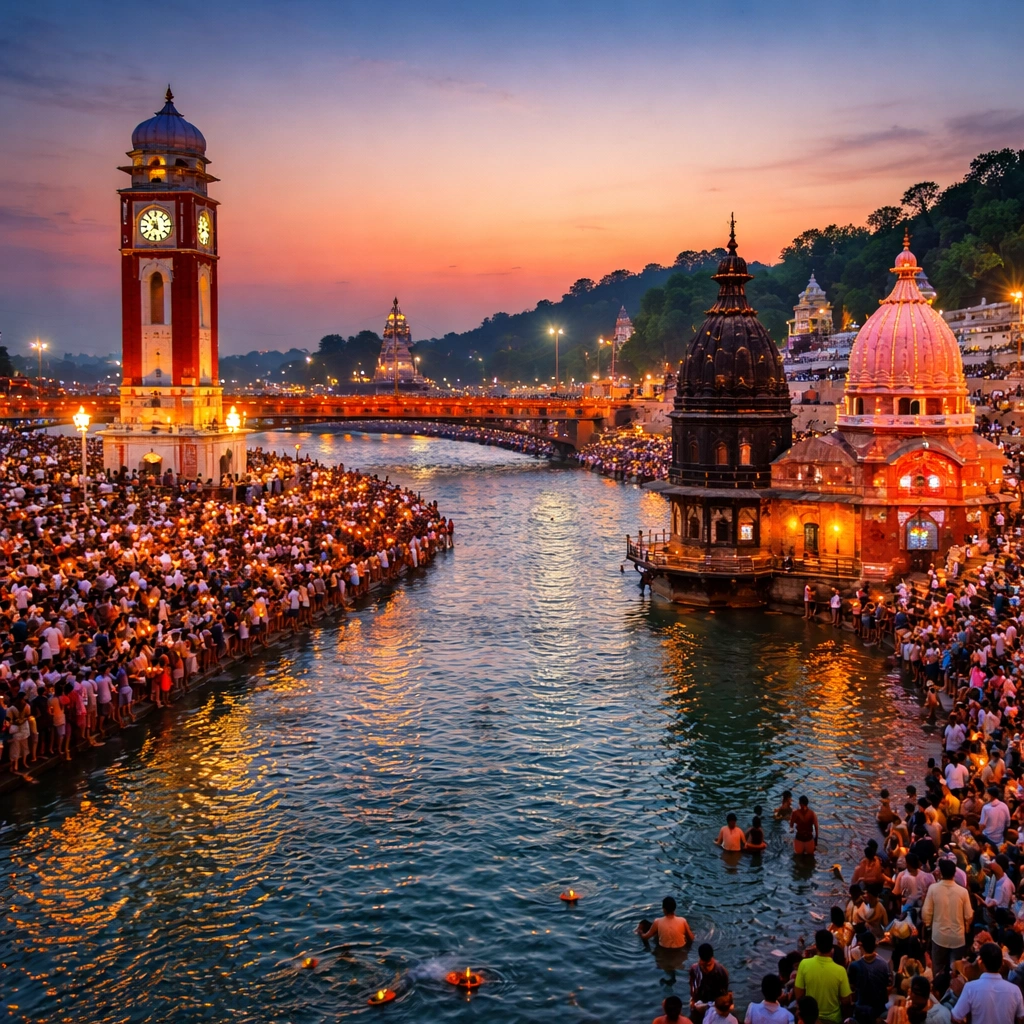
haridwar
Day 2: Yamunotri Darshan – First Dham of Char Dham Yatra


Route: Barkot – Janki Chatti – Yamunotri – Return

Drive Distance: Approx. 45 km (one way)

Trek Distance: 6 km (one way)

Total Duration: 10–12 Hours

The second day of your 4 Dham Yatra from Haridwar begins early. Yamunotri Temple, dedicated to Goddess Yamuna, is the first spiritual stop in the Char Dham circuit of Uttarakhand.

Starting early helps avoid traffic congestion and long darshan queues during peak season.


Morning Departure from Barkot

After an early breakfast at the hotel, drive towards Janki Chatti — the last motorable point before Yamunotri Temple.

The road is narrow and mountainous, so experienced hill driving is important. This is where organized planning makes a difference.

Upon arrival at Janki Chatti:

Final preparation for trek

Walking sticks available locally

Pony / palki options for senior citizens

Light backpack recommended

Trek to Yamunotri Temple (6 km Uphill)

The trek is well-paved but steadily inclined. It usually takes:

3–4 hours on foot

2–3 hours descent while returning

Along the route, small tea stalls and resting points are available.

This part of the journey requires patience and steady walking. It is not about speed — it is about completing the ascent comfortably.


Yamunotri Temple Darshan Experience

Before entering the main temple:

Visit Divya Shila

Offer rice at Surya Kund (natural hot water spring)

Proceed for Yamunotri Temple darshan

The temple area is compact, and darshan time depends on crowd conditions. During peak Char Dham season, waiting time may increase.

The atmosphere at Yamunotri feels powerful yet simple — surrounded by mountains and flowing water

Return to Barkot

After darshan and short rest, descend back to Janki Chatti and drive to Barkot.

Evening is kept free for:

Rest and recovery

Early dinner

Hydration

Preparation for next day’s journey


Meals Included

 Breakfast at hotel

 Pure Vegetarian Dinner

 Jain food available on prior request


Important Travel Tips for Yamunotri Day

Start early (recommended before 7 AM)

Wear proper trekking shoes

Carry light woolens

Stay hydrated

Senior citizens should consider pony/palki in advance

Avoid heavy luggage during trek

Why Yamunotri Day Matters in 4 Dham Yatra

Yamunotri marks the spiritual beginning of the Char Dham Yatra. Completing this trek builds physical confidence and mental strength for the remaining journey to Gangotri, Kedarnath, and Badrinath.

With proper pacing and organized support, this day becomes manageable even for families and senior travelers.

yamunotri
Day 03: Barkot to Uttarkashi – Transition from Yamuna Valley to Bhagirathi River

Route: Barkot – Dharasu Bend – Uttarkashi

Distance: Approx. 95–100 km

Travel Time: 4–5 Hours

Next Dham Preparation: Gangotri

After completing Yamunotri Darshan, Day 3 is comparatively relaxed. This day focuses on comfortable travel and preparation for Gangotri Temple visit.


Morning Departure from Barkot

The day usually begins with a normal breakfast timing (no extreme early rush). Since the distance is shorter compared to previous travel days, departure remains flexible between 8:00–9:00 AM.

As the vehicle leaves Barkot, the route gradually descends from the Yamuna Valley region. The road conditions vary — some stretches are smooth while some sections reflect typical mountain terrain.


Route Experience

This journey connects two important river valleys of Uttarakhand:

From the Yamuna river belt

Towards the Bhagirathi river basin

Around Dharasu Bend, the landscape opens up and the Bhagirathi River starts appearing alongside the road. The drive becomes more open compared to the tighter Yamunotri route.

Unlike tourist-heavy hill stations, this stretch feels more functional — used by pilgrims, locals, and goods transport vehicles.

Short tea breaks can be taken depending on traveler comfort.


Arrival in Uttarkashi

By early afternoon, arrival in Uttarkashi — an important spiritual town located on the banks of the Bhagirathi River.

Uttarkashi is not a luxury destination; it is a pilgrimage base town with religious importance and strategic location for Gangotri.

Hotel check-in is followed by rest time.


Local Visit (Optional Evening Plan)

If time and energy permit:

Visit Kashi Vishwanath Temple (Uttarkashi)

Short walk near Bhagirathi River

Local market exploration

This evening is kept light to maintain energy for the next day’s Gangotri journey.


Accommodation Details (3-Star Category)

Comfortable private rooms

Attached washroom

Hot water facility

Clean bedding

Pure vegetarian dinner

Jain meals available on request


Meals Included

 Breakfast at Barkot

 Dinner at Uttarkashi Hotel


Why Day 3 Is Important in 4 Dham Yatra

This day allows physical recovery after the Yamunotri trek. It also helps travelers gradually adapt to changing altitude and terrain before heading to Gangotri.

The shorter travel time ensures:

Reduced fatigue

Better rest

Organized preparation for the next Dham


Travel Tips for Barkot to Uttarkashi Route

Keep light woolens accessible

Charge mobile devices (network may fluctuate)

Avoid heavy roadside eating

Keep personal medicines handy

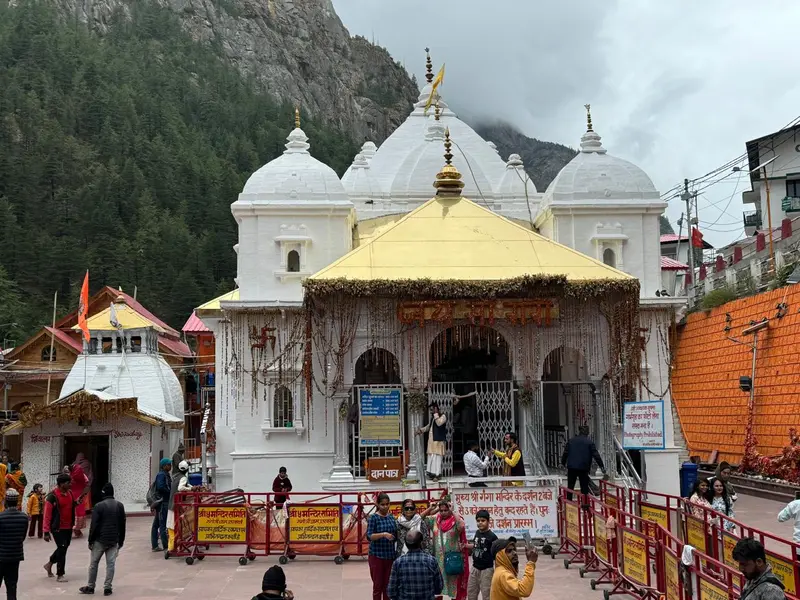
Gangotri Dham temple origin of River Ganga
Day 04: Uttarkashi to Gangotri and Return

Route: Uttarkashi – Harsil – Gangotri – Back to Uttarkashi

Distance: Approx. 100 km (one way)

Total Drive: 200 km round trip

Travel Time: 8–10 Hours (including darshan)

Day 4 of your 4 Dham Yatra is dedicated to Gangotri Temple, the sacred origin point of River Ganga in the Char Dham circuit of Uttarakhand.

This day combines mountain driving, river valley views, and temple darshan — all within a single full-day schedule.


Early Departure from Uttarkashi

Departure is generally planned between 6:00–7:00 AM. Early start helps in:

Avoiding traffic congestion

Securing smoother darshan timing

Managing return before dark

As the drive begins, the Bhagirathi River stays alongside the road for most of the journey.


Uttarkashi to Gangotri Route Overview

The route gradually climbs in altitude. Road conditions vary between well-maintained stretches and narrow hill sections.

Important en-route locations include:

Bhatwari

Harsil Valley

Lanka Bridge area

Harsil is often considered the most scenic stretch of this drive. Apple orchards (seasonal) and open valley views make this section visually different from previous travel days.

Short refreshment breaks can be taken based on traveler comfort.


Arrival at Gangotri Temple

Upon reaching Gangotri, vehicles are parked in the designated area. The temple is within walking distance from the parking zone.

Before entering the temple:

Many pilgrims take a symbolic dip in the Bhagirathi River (weather permitting).

Shoes are deposited outside temple premises.


Darshan Procedure

Enter temple queue

Offer prayers to Goddess Ganga

Spend limited time inside depending on crowd movement

Darshan duration depends entirely on season and pilgrim volume.

The temple complex is compact and organized, surrounded by mountains and flowing river water.


Optional Nearby Visits (Time Permitting)

If schedule allows:

Short visit to Surya Kund (near temple area)

Small local market walk

No long treks are included on this day to conserve energy for the remaining journey.


Return to Uttarkashi

After darshan and short rest, the return drive begins. Afternoon return is recommended to avoid late evening mountain driving.

Arrival in Uttarkashi by evening:

Dinner at hotel

Rest and preparation for next travel day


Meals Included

 Breakfast at hotel

 Dinner at Uttarkashi stay

 Pure Vegetarian meals

 Jain option available on request


Why Day 4 Is Important in 4 Dham Yatra

Gangotri represents the spiritual source of the Ganga. This day completes the second Dham of the Char Dham Yatra and builds momentum before proceeding towards Kedarnath.

It is less physically demanding compared to Yamunotri but involves longer mountain driving.

Travel Tips for Uttarkashi to Gangotri

Carry light woolens (temperature drops near Gangotri)

Sunglasses recommended due to river glare

Keep hydration steady

Start early for smoother darshan

Avoid staying too late in high-altitude cold

Gangotri Dham temple origin of River Ganga
Day 05: Uttarkashi to Guptkashi – Moving Towards Kedarnath Region

Route: Uttarkashi – Tehri – Srinagar – Rudraprayag – Guptkashi

Distance: Approx. 220–230 km

Travel Time: 8–9 Hours

Purpose: Transfer Day Before Kedarnath Visit

Day 5 is one of the longer road journeys in your 4 Dham Yatra. This day connects the Gangotri region to the Kedarnath base area. While it is primarily a travel day, it plays an important role in maintaining the overall rhythm of the pilgrimage.


Morning Departure from Uttarkashi

Departure is usually scheduled between 6:00–7:00 AM to cover the long distance comfortably.

The route gradually descends before reconnecting with the Alaknanda river valley system. Unlike the narrower Gangotri road, this stretch includes wider highway sections mixed with hill terrain.


Route Overview & Key Passing Points

During the drive, you pass through:

Tehri region (with views of Tehri Lake in certain stretches)

Srinagar (Garhwal)

Rudraprayag (confluence of Alaknanda and Mandakini rivers)

Rudraprayag is a significant stop, as it marks the route separation towards Kedarnath.

Short refreshment and washroom breaks are taken depending on traveler comfort.


Road Conditions & Travel Reality

This is a mixed-terrain drive:

Some highway portions allow steady movement

Certain hill sections may be slow due to curves

Occasional traffic buildup possible during peak Char Dham season

The journey requires patience, as it prepares you for the upcoming Kedarnath visit.


Arrival in Guptkashi

By late afternoon or early evening, arrival in Guptkashi — an important base town for Kedarnath Yatra.

Guptkashi serves as:

Night halt before Kedarnath

Registration & coordination point

Helicopter boarding region (Phata/Sersi nearby)

After hotel check-in:

Room allocation

Dinner timing confirmation

Briefing for next day’s Kedarnath plan

Rest is strongly recommended.


Accommodation (3-Star Category)

Clean and comfortable private rooms

Attached bathroom

Hot water facility

Pure vegetarian dinner

Jain meal option available

Peaceful stay suitable for families & senior citizens

Meals Included

 Breakfast at Uttarkashi

 Dinner at Guptkashi

 Pure Vegetarian Food


Why Day 5 Is Important in 4 Dham Yatra

This day bridges the journey from the source of Ganga (Gangotri) to the abode of Lord Shiva (Kedarnath).

It is intentionally structured as a transfer day to:

Allow physical recovery

Maintain safe travel timing

Ensure proper rest before Kedarnath trek or helicopter ride


Travel Tips for Uttarkashi to Guptkashi

Start early to avoid late arrival

Carry snacks and water

Keep ID proofs accessible

Confirm Kedarnath registration in advance

Sleep early for next day’s departure

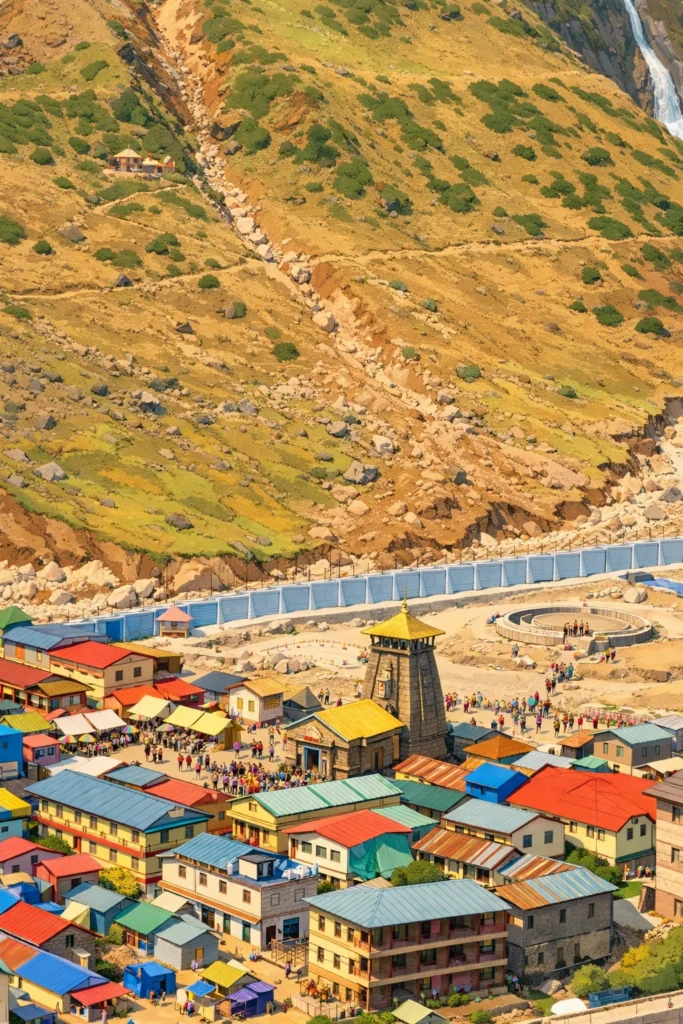
kedarnath
Day 06: Guptkashi to Kedarnath – Journey to the Sacred Jyotirlinga

Route: GuptkashiSonprayag Gaurikund – Kedarnath

Drive Distance: Approx. 30 km

Trek Distance: 16–18 km (one way)

Total Duration: Full Day (12–14 Hours)

Day 6 is the most important and physically demanding day of your 4 Dham Yatra. This is the day you reach Kedarnath Temple, one of the 12 Jyotirlingas of Lord Shiva.

The entire day is carefully planned to ensure safety, timing management, and smooth coordination.


Early Morning Departure from Guptkashi

Departure usually begins between 4:30–5:30 AM.

Drive to Sonprayag (vehicle drop point)

Local shuttle transfer to Gaurikund

Final trek preparation

Early start is essential to avoid heavy rush and to complete the trek in daylight.


Gaurikund – Starting Point of Trek

At Gaurikund:

Trek registration checked

Essential items carried (light backpack only)

Pony / palki options available for senior citizens

Helicopter travelers transferred to Phata / Sersi helipad (if pre-booked)

The trek officially begins from here.


Kedarnath Trek Overview (16–18 km)

The route is fully rebuilt and wider than the old path. It includes:

Gradual ascent sections

Steeper stretches near midway

Multiple resting points

Medical and security checkpoints

Average trek time:

6–8 hours uphill (walking)

Faster if physically fit

Pony takes 4–6 hours approx.

Hydration and steady pace are important.


Arrival at Kedarnath Temple Area

As you approach the temple zone, the environment changes — open valley, snow-clad peaks (seasonal), and the iconic temple structure standing against the mountains.

After reaching:

Hotel / lodge check-in

Freshening up

Proceed for Kedarnath Temple darshan


Kedarnath Temple Darshan

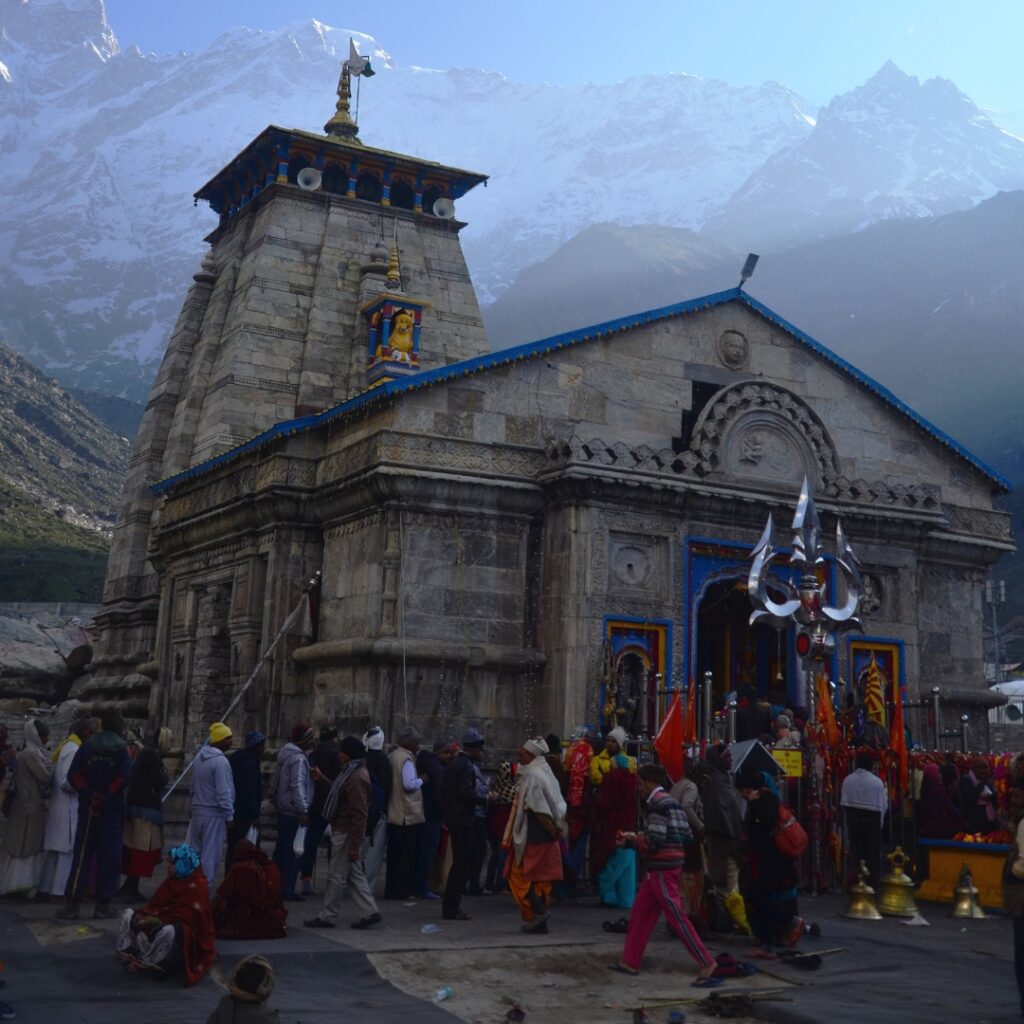
The temple is dedicated to Lord Shiva and is one of the most spiritually significant sites in India.

Darshan process:

Join the temple queue

Offer prayers inside sanctum (time regulated)

Attend evening aarti (if timing permits)

Evening aarti at Kedarnath is considered a powerful spiritual experience.


Night Stay at Kedarnath

Accommodation near the temple is basic but clean.

Facilities include:

Simple private rooms / lodges

Warm bedding

Pure vegetarian meals

Limited luxury due to high altitude

Weather can turn cold at night even in summer, so warm clothing is essential.


Meals Included

 Breakfast at Guptkashi

 Dinner at Kedarnath stay

 Pure Vegetarian food


Why Day 6 Is the Core of 4 Dham Yatra

Kedarnath is not just another temple visit — it is the spiritual peak of the journey.

This day requires:

Physical stamina

Mental focus

Proper coordination

Timely movement

Completing this day successfully gives immense spiritual satisfaction and confidence.


Important Travel Tips for Kedarnath Day

Start before sunrise

Carry rain protection

Wear proper trekking shoes

Keep ID proof & registration copy

Avoid carrying heavy luggage

Senior citizens should pre-decide pony/helicopter

Kedarnath Dham temple Lord Shiva Jyotirlinga
Day 07: Kedarnath to Guptkashi – Descent from the Sacred Valley

Route: Kedarnath – Gaurikund – Sonprayag – Guptkashi

Trek Distance: 16–18 km downhill

Drive Distance: Approx. 30 km

Total Duration: 8–10 Hours

After completing Kedarnath darshan, Day 7 focuses on a safe and steady return to Guptkashi. While the spiritual highlight has been achieved, this day requires equal attention due to the long downhill trek.


Early Morning at Kedarnath

Many travelers prefer one more early morning darshan before departure. Morning time is usually less crowded and offers a calm temple atmosphere.

After breakfast:

Check-out from lodge

Light packing (carry essentials only)

Begin descent as early as possible

Starting early helps avoid afternoon weather changes and heavy trekking traffic.


Downhill Trek to Gaurikund

The return trek is physically easier in terms of breathing but puts more pressure on knees and legs.

Average descent time:

4–6 hours walking

Faster via pony (if pre-arranged)

Important considerations:

Walk slowly on steep sections

Take short breaks instead of long halts

Stay hydrated

The route includes medical checkpoints and rest shelters along the way.


Arrival at Gaurikund

Upon reaching Gaurikund:

Short rest break

Local shuttle transfer to Sonprayag

Meet main vehicle

This is usually the most crowded section, so patience is required during peak Char Dham season.


Drive Back to Guptkashi

The drive from Sonprayag to Guptkashi takes around 1 hour, depending on traffic conditions.

After hotel arrival:

Room check-in

Freshen up

Proper rest

Dinner at hotel

This evening is intentionally kept free for physical recovery.


Accommodation (3-Star Category Stay)

Comfortable private rooms

Attached washroom

Hot water facility

Pure vegetarian dinner

Jain meal option available

After the physically demanding Kedarnath trek, a proper night’s rest is important.

Meals Included

 Breakfast at Kedarnath

 Dinner at Guptkashi

 Pure Vegetarian Meals


Why Day 7 Is Important in 4 Dham Yatra

Many travelers underestimate the return day. However, controlled descent and safe arrival back at base town are essential for completing the Kedarnath segment smoothly.

This day ensures:

Physical recovery

Proper rest

Preparation for Badrinath journey


Travel Tips for Kedarnath Return Day

Start descent early

Use knee support if required

Avoid rushing downhill

Keep light snacks

Maintain steady walking pace

Kedarnath
Day 08: Guptkashi to Badrinath – Journey from Mandakini Valley to Vishal Dham

Route: Guptkashi – Chopta (optional view route) – Joshimath – Badrinath
Distance: Approx. 185–200 km
Travel Time: 8–9 Hours
Destination: Badrinath Temple
After completing Kedarnath segment, Day 8 moves towards the final Dham of the Char Dham Yatra — Badrinath.
This day involves long mountain driving but comparatively less physical strain than the previous trekking days.


Morning Departure from Guptkashi
Departure is generally scheduled between 6:00–7:00 AM.
The route gradually connects from the Mandakini river region back to the Alaknanda river valley system. Early departure ensures:
Comfortable travel pace
Avoidance of peak traffic near Joshimath
Timely arrival for evening darshan


Route Overview
Key passing points include:
Ukhimath region
Chopta (known for open valley views)
Chamoli district belt
Joshimath town
The landscape changes multiple times during this drive — from dense forest patches to open valley stretches and high-altitude terrain as you approach Badrinath.
Short refreshment stops are taken depending on traveler comfort.


Arrival in Badrinath
By afternoon or early evening, arrival at Badrinath — one of the most important pilgrimage sites in India.
After hotel check-in:
Freshen up
Visit Tapt Kund (natural hot water spring)
Proceed for Badrinath Temple darshan


Badrinath Temple Darshan
The temple is dedicated to Lord Vishnu and is the final Dham in the 4 Dham circuit.
Darshan process includes:
Queue entry
Temple visit
Limited time inside sanctum
Optional evening aarti attendance
Darshan timing depends on crowd and temple schedule.


Evening in Badrinath
After darshan:
Local market visit (optional)
Light walk around temple area
Early dinner and rest
Temperature in Badrinath is noticeably colder, especially in the evening.


Accommodation (3-Star Category)
Clean and warm rooms
Attached washroom
Hot water facility
Pure vegetarian dinner
Jain meal option available
Due to high altitude location, facilities are comfortable but simple.


Meals Included
 Breakfast at Guptkashi
 Dinner at Badrinath
 Pure Vegetarian Meals


Why Day 8 Is Significant in 4 Dham Yatra
Badrinath represents the completion of the main temple circuit after Yamunotri, Gangotri, and Kedarnath.
This day shifts focus from physical endurance to spiritual completion.
Travel Tips for Guptkashi to Badrinath
Start early
Carry warm clothes
Keep ID proofs ready
Stay hydrated
Avoid late evening travel in mountains

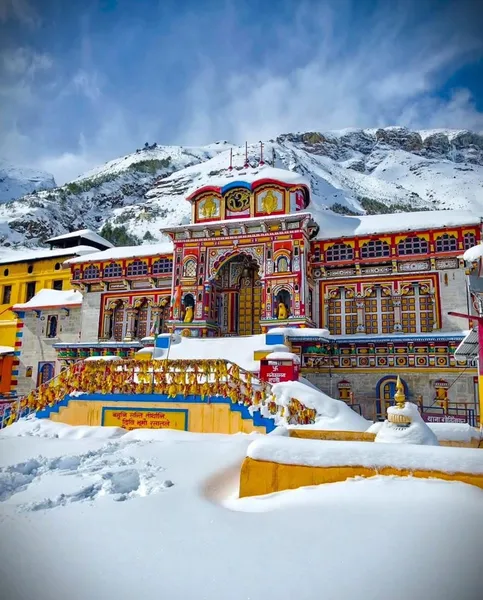
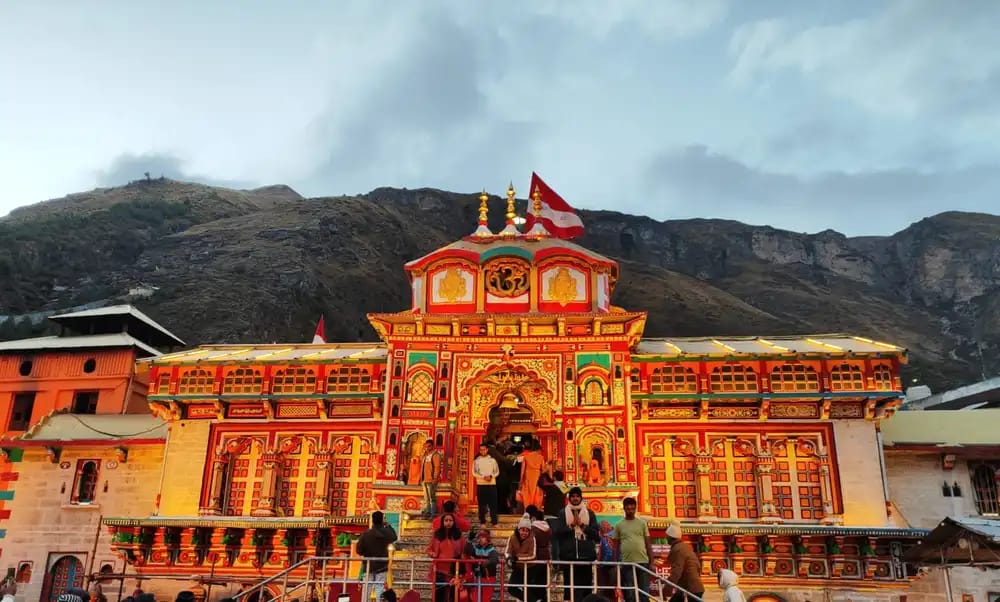
Badrinath Dham
Day 09: Badrinath Darshan and Local Sightseeing

Location: Badrinath, Chamoli District, Uttarakhand

Altitude: Approx. 3,100 meters

Focus: Temple Darshan + Nearby Spiritual & Cultural Sites

Day 9 of your 4 Dham Yatra is dedicated to properly experiencing Badrinath Temple and exploring the important nearby locations. Unlike previous travel-heavy days, this day is kept balanced and location-focused.


Morning Darshan at Badrinath Temple

Early morning is considered the best time for darshan at Badrinath Temple.

Recommended flow:

Visit Tapt Kund (natural hot water spring) for symbolic purification

Proceed towards temple queue

Offer prayers to Lord Vishnu (Badri Vishal)

Spend quiet time in temple premises

Morning darshan generally has better crowd flow compared to peak afternoon hours.


Understanding the Significance of Badrinath

Badrinath is one of the most important pilgrimage sites in India and the final temple in the Char Dham Yatra circuit (Yamunotri, Gangotri, Kedarnath, Badrinath).

The temple stands along the Alaknanda River and is surrounded by Nar and Narayan mountain ranges.

This Dham represents spiritual completion after the physically demanding Kedarnath segment.


Local Sightseeing Around Badrinath

After temple darshan and breakfast, nearby attractions can be covered comfortably.


  1. Mana Village

Located approx. 3 km from Badrinath, Mana is known as the last Indian village before the Indo-Tibet border. It offers:

Traditional mountain houses

Cultural Garhwali lifestyle

Small local handicraft shops


  1. Bhim Pul

A natural rock bridge over the Saraswati River, associated with Mahabharata legends.


  1. Vyas Gufa

Believed to be the place where Maharishi Vyas composed the Mahabharata.


  1. Saraswati River Origin Point (View Area)

Short walk near Mana showcasing the strong river flow.

These locations are close to each other and can be covered within a few hours.


Afternoon & Evening Plan

After sightseeing:

Return to hotel

Rest time

Optional evening temple visit

Early dinner

Evenings in Badrinath can be cold even during summer months.


Accommodation (3-Star Category Stay)

Clean heated / insulated rooms (subject to availability)

Attached bathroom

Hot water facility

Pure vegetarian dinner

Jain meal option available


Meals Included

 Breakfast

 Dinner

 Pure Vegetarian Food


Why Day 9 Is Important in 4 Dham Yatra

Many travelers rush Badrinath and treat it as just a darshan stop. However, this Dham holds deep spiritual and mythological importance.

This day allows:

Peaceful darshan without travel pressure

Cultural exploration of Mana village

Completion feeling of Char Dham circuit


Travel Tips for Badrinath Sightseeing

Carry light woolens

Start sightseeing before afternoon crowd

Wear comfortable walking shoes

Keep ID proofs

Respect local customs in Mana village

Badrinath
Day 10: Badrinath to Rishikesh / Haridwar – Completion of Char Dham Yatra

Route: Badrinath – Joshimath – Rudraprayag – Devprayag – Rishikesh – Haridwar

Distance: Approx. 295–320 km

Travel Time: 9–11 Hours (depending on traffic & road conditions)

End Point: Rishikesh or Haridwar Drop

Day 10 marks the return journey after completing Yamunotri, Gangotri, Kedarnath, and Badrinath. This is the final travel day of your 4 Dham Yatra from Haridwar.

The focus of this day is safe, steady, and well-timed descent from high altitude to the plains.


Morning Departure from Badrinath

Departure is generally planned early (around 6:00 AM) to cover the long distance comfortably.

As you leave Badrinath:

The road descends gradually

Weather conditions are checked before movement

Short photo stops can be taken if time allows

Early departure helps avoid traffic congestion near Joshimath and narrow hill sections.


Route Overview & Key Locations

During the drive, you pass through:


Joshimath

A major town in the Chamoli district and winter seat of Badrinath Temple.


Rudraprayag

Sacred confluence of Alaknanda and Mandakini rivers.

Devprayag

Important meeting point of Alaknanda and Bhagirathi rivers, officially forming the River Ganga.

These confluence points (Prayags) are spiritually significant and represent the flow connection experienced throughout the yatra.

Short refreshment and washroom breaks are scheduled as required.


Arrival in Rishikesh

By late afternoon or evening, arrival in Rishikesh.

Optional (if time permits):

Short stop near Ram Jhula / Lakshman Jhula area

View of Ganga River

Tea break before final drop


Final Drop at Haridwar

After Rishikesh halt (if included), proceed to Haridwar for final drop at:

Railway station

Hotel

Pre-decided location

This officially completes your Char Dham Yatra.

Meals Included

 Breakfast at Badrinath

 Lunch en route (self-paid)


Why Day 10 Is Important

The final day is not just a transfer. It allows reflection on the full spiritual circuit:

Yamunotri (origin of Yamuna)

Gangotri (origin of Ganga)

Kedarnath (Jyotirlinga of Shiva)

Badrinath (Lord Vishnu Dham)

Returning safely and on time is equally important as completing the darshan.


Travel Tips for Badrinath to Haridwar Route

Start early

Carry light snacks and water

Keep buffer time for railway departure

Expect traffic near Rishikesh during peak season

Avoid late-night mountain driving

Char Dham Yatra History

Char Dham Yatra is one of the most sacred pilgrimages in Hinduism. Its history unfolds step by step from the Mahabharata era, through the Pandavas, and later systematized by Adi Shankaracharya. Below is the serial (chronological) history of the Char Dham Yatra.
The four dhams are visited in this traditional order:
Yamunotri → Gangotri → Kedarnath → Badrinath

Mahabharata Period – The Origin

After the Mahabharata war, the Pandavas felt deep remorse for the destruction caused during the battle. To attain forgiveness, purification, and liberation (moksha), they decided to undertake a holy journey into the Himalayas.
 This pilgrimage is believed to be the origin of the Char Dham Yatra.

First Stop – Yamunotri

The Pandavas began their journey with the worship of Goddess Yamuna.
Yamuna is considered the deity of life purification and self-discipline.
It is believed that worshipping Yamuna removes the fear of untimely death.
Thus, the yatra traditionally starts at Yamunotri.

Second Stop – Gangotri

After Yamunotri, the Pandavas visited Gangotri, the place associated with the descent of River Ganga on earth through King Bhagiratha’s penance.
Ganga is regarded as moksha-giving and purifier of sins.
This sacred site later became known as Gangotri.

Third Stop – Kedarnath

The Pandavas then sought forgiveness from Lord Shiva for their sins of war.
Lord Shiva avoided them by taking the form of a bull.
At Kedarnath, Shiva disappeared into the ground, leaving his hump (back part) visible.
This spot became the sacred Jyotirlinga known today as Kedarnath.

Final Stop – Badrinath

After purification and penance, the Pandavas proceeded to worship Lord Vishnu, the preserver and granter of liberation.
Vishnu is believed to have meditated here in the Badri forest.
Completion of worship here symbolized attainment of moksha.
Hence, the yatra concludes at Badrinath.

Swargarohan – The Pandava Path

After completing the Char Dham pilgrimage, the Pandavas continued toward Swargarohan (ascent to heaven).
One by one, the Pandavas fell on the path.
Only Yudhishthira reached heaven alive, symbolizing ultimate righteousness.
This route is still referred to as the Pandava Path.

Role of Adi Shankaracharya (8th Century)

n the 8th century, Adi Shankaracharya:
Revived and restored the temples
Organized the pilgrimage into a structured spiritual circuit
Established Badrinath as a major Vaishnavite center  Because of him, Char Dham Yatra became a pan-India pilgrimage tradition.

Modern Period

Roads, accommodations, and helicopter services developed
Online registration and pilgrim facilities introduced
Char Dham Yatra today blends ancient faith with modern convenience
 Summary (One Line)
The Char Dham Yatra began with the Pandavas’ quest for forgiveness after the Mahabharata war and was later organized by Adi Shankaracharya, evolving into Hinduism’s most sacred Himalayan pilgrimage.

Why does the Yatra start at Yamunotri and end at Badrinath?

Yamunotri: Spiritual purification and self-discipline begin here.
Gangotri: Cleansing of sins through Goddess Ganga.
Kedarnath: Penance and forgiveness from Lord Shiva.
Badrinath: Final blessing and moksha from Lord Vishnu.
 The journey symbolises the spiritual path from purification to liberation.

Best Time for Char Dham Yatra

May to June – Best weather
 September to October – Clear skies, fewer crowds
 July–August – Monsoon, landslides
 November–April – Temples closed due to snow

Char Dham Yatra – Best Short FAQs
Q1. What is the Char Dham Yatra?

A sacred Hindu pilgrimage in Uttarakhand covering Yamunotri, Gangotri, Kedarnath, and Badrinath.

Q2. What is the correct order of the Yatra?

Yamunotri → Gangotri → Kedarnath → Badrinath.

Q3. When does the Char Dham Yatra open and close?

Usually from April/May (Akshaya Tritiya) to October/November (Bhai Dooj).

Q4. What is the best time to visit?

May–June and September; avoid peak monsoon (July–August).

Q5. How many days are required?

By road: 9–12 days | By helicopter: 2–5 days.

Q6. What is the approximate cost?

Road tour: ₹25,000–₹55,000 | Helicopter: ₹1.5–₹2.5 lakh (approx.).

Q7. Is registration mandatory?

Yes, Char Dham registration is compulsory.

Q8. How much trekking is involved?

Yamunotri ~6 km; Kedarnath ~16 km (pony/palanquin available).

Q9. Is the Yatra safe for senior citizens?

Yes, with medical advice and proper rest; helicopter options available.

Q10. Can children join the Yatra?

Yes, with care for cold weather and altitude.

Char Dham Yatra – Short Tour Information

Char Dham Yatra is a holy pilgrimage in Uttarakhand covering Yamunotri, Gangotri, Kedarnath and Badrinath.
Correct order: Yamunotri → Gangotri → Kedarnath → Badrinath
Season: April/May to October/November
Best time: May–June & September
Duration: 9–12 days by road | 2–5 days by helicopter
Trek: Yamunotri ~6 km, Kedarnath ~16 km
Cost: ₹25,000–₹55,000 (road) | ₹1.5–₹2.5 lakh (helicopter)
Registration: Mandatory
Start point: Haridwar / Rishikesh / Dehradun
Significance: Believed to purify the soul and lead to peace & moksha

Char Dham Yatra – Police & Terms

Uttarakhand Police manages security, traffic, and crowd control during the Yatra.
 Registration is mandatory; carry a valid photo ID at all times.
 Travel and darshan may be halted due to weather or landslides.
 Senior citizens and unwell pilgrims should consult a doctor before travel.
 During treks, follow police and local administration instructions; use authorized services only.
 Alcohol, drugs, and littering are prohibited.
 Night driving restrictions may apply on mountain roads.
 Helicopter services are weather-dependent and may be delayed or cancelled.
If you want this even shorter (3–4 bullets) for a booking card or footer, tell me

Vehicles Options

Swift Dzire (4 Seater) – Couples / 2–3 travelers
Ertiga (5–6 Seater) – Small family
Innova Crysta (5–6 Seater) – Extra comfort for long journeys
Bolero / Maxx (5–7 Seater) – Strong and reliable for hill routes
Tempo Traveller (9–12 Seater) – Medium groups
Tempo Traveller (15–20 Seater) – Large groups
Force Urbania (10–17 Seater) – Premium group travel
Mini Bus (27–35 Seater) – Very large groups
 All vehicles are suitable for mountain driving
 Experienced hill drivers provided
 Vehicle selection depends on group size and availability

Things To Pack

Heavy Woolen / Down Jacket
Thermal Wear (2–3 Pair)
Full Sleeve T-Shirts / Shirts
Warm Trek Pants / Lower
Woolen Cap, Gloves, Muffler
Rain Jacket / Poncho
Comfortable Trekking / Sports Shoes
Slippers / Floaters
Cotton & Woolen Socks
Small Day Backpack
Sunglasses, Sun Cap
Sunscreen (SPF 40+), Lip Balm, Cold Cream
Personal Toiletry Kit & Towel
Personal Medicines & Basic First Aid Kit
ORS / Glucose
Aadhar Card / Valid ID
Char Dham Registration Slip
Cash, ATM Card
Mobile, Charger & Power Bank
Torch / Flashlight
Water Bottle
Umbrella
Camera (Optional)
 Tip: Weather fast change hota hai, isliye layered clothing rakhein aur lightweight packing karein.

Other Packages

Logo Hidden Trails Travel

Chardham Yatra Package Specialist Book From Locals

Easy & Hassle-Free Reservations

    Logo Hidden Trails

    Hidden Trails Travel invites you to explore the world the authentic way—through local insights, heartfelt connections, and experiences that stay with you long after the trip ends.